Creating a Lush, Low-Maintenance Water Garden: Practical Tips for Year-Round Pond Beauty
Grow a thriving water garden with reliable pond plants, smart layout, and seasonal care that keeps your space serene and wildlife-friendly.
Designing a Balanced Water Garden
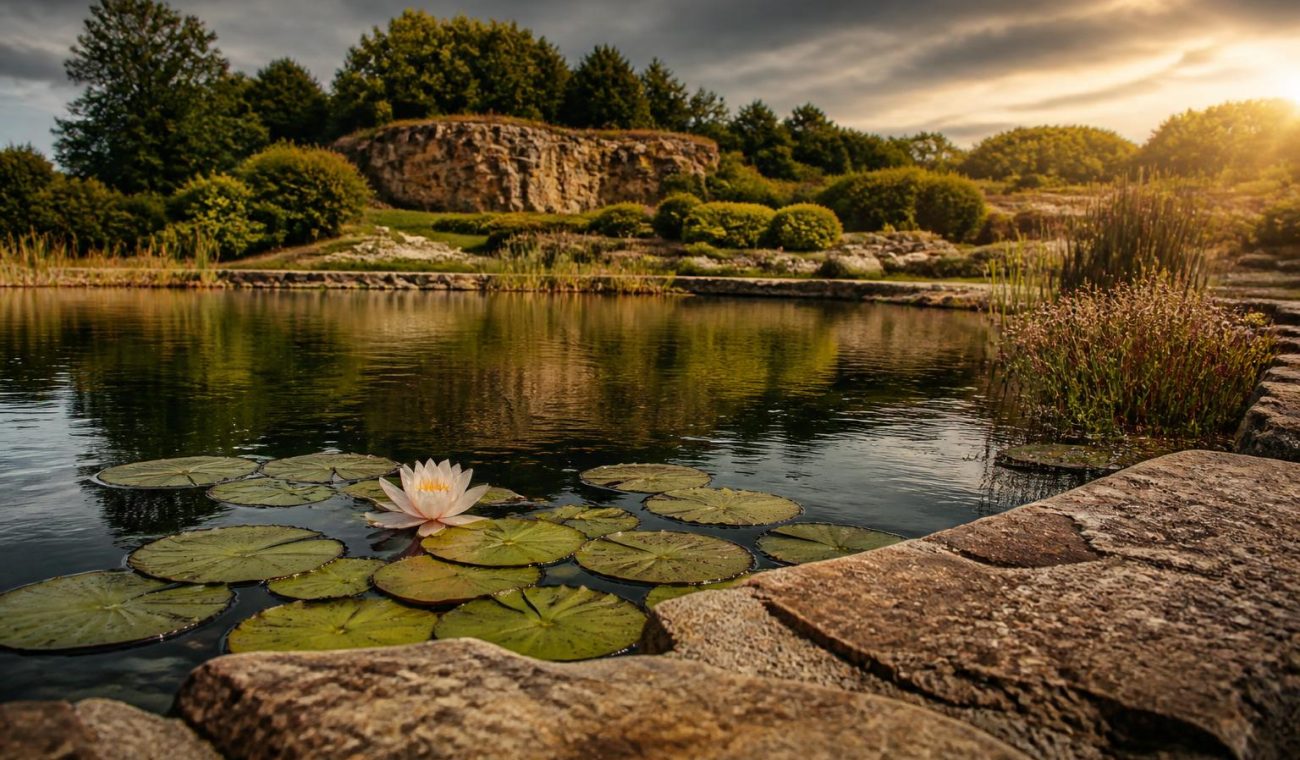
A well-planned water garden centers on a balance between depth, planting zones, and shade. Start by choosing a shallow shelf for marginal pond plants and a deeper area for water lilies to thrive with enough room to spread their roots. Maintenance becomes easier when you group plants by light needs and water depth, ensuring each species receives its preferred microclimate. Buy Pond Plants Online to source reliable british pond plants that perform well in mixed plantings.
Consider edging that hides equipment and creates a natural transition from lawn or patio to the pond. Use rocks and mulch as a soft barrier to discourage weed intrusion while preserving a tidy appearance. A subtle slope helps visitors observe the pond from different angles, revealing the interplay between leaves, flowers, and the reflection on calm mornings.
Choosing the Right Pond Plants
When selecting pond plant varieties, focus on a mix of water lilies for elegant blooms and marginal pond plants for saturated, container-like growth at the water’s edge. Water lilies offer vertical interest with floating pads and fragrant blossoms, while marginal plants provide columns of green life that soften the pond’s boundary. Opt for a few hardy cultivars that tolerate cooler British springs and longer days in summer.
For a reliable setup, prioritize plants that are well suited to your climate and habitat. British pond plants often include hardy varieties that shrug off light freezes and resume growth quickly. Pair lily varieties with low-growing marginals to create a layered, natural look that supports beneficial insects and fish alike without overcrowding.
Seasonal Care for a Healthy Pond
Spring care focuses on rewetting the bed after winter dormancy and guiding new shoots toward productive growth. Remove any debris from the water surface to improve gas exchange, then prune dead stems to encourage fresh, vigorous growth. Regularly check the nutrient balance of the water; a modest dose of slow-release fertilizer for aquatic plants can support steady development through the late spring and early summer.
Summer requires ongoing monitoring of water levels and sunlight exposure. Ensure the pond receives adequate shade for sensitive plants while leaving enough light for water lilies to bloom. Introduce beneficial bacteria to curb ammonia buildup and manage algae, keeping the water clear so the plants can photosynthesize efficiently and sustain healthy growth through peak heat.
Edging and Landscape Integration
Edging the pond with a natural rock border or low wooden beam helps define the space and reduces turf encroachment. A planted border with stone margins creates a micro-ecosystem that shelters insects and fosters a quiet, contemplative environment. Layer textures by combining tall marginals with mid-range water lilies and trailing foliage that softly frames the water’s surface.
Incorporate seating that faces the water so visitors can observe the plant dynamics without disturbing the pond. Use driftwood features or ceramic pots to introduce focal points that echo the garden’s broader theme. A thoughtful arrangement supports seasonal color changes and provides visual interest whether the pond is sparkling or still on a calm afternoon.
Water Quality and Algae Control
Maintaining clear water begins with mechanical filtration and careful feeding of wildlife-friendly flora. Avoid overfeeding fish and check the filtration media regularly to remove settled debris before it decomposes. A thin skim of surface film can indicate nutrient imbalances; adjusting plant density and circulation helps keep the water transparent and inviting for goldfish and aquatic invertebrates alike.
Algae thrives where nutrients accumulate; therefore, plant density and shading are your allies. Increase marginal plant coverage along the bank to uptake nitrates, and consider installing a gentle water feature that interrupts stagnation. A balanced approach ensures long-term clarity and reduces the need for chemical interventions, preserving ecological harmony in the pond.
Overwintering and Longevity
Preparing for winter means protecting more delicate plants while allowing hardy species to remain active. Move tender marginal plants to deeper pockets or bring pots indoors where temperatures drop, ensuring their roots stay moist but not waterlogged. For water lilies, reduce top growth and cap the rhizomes with a light mulch to insulate during cold snaps.
Inspect the pond in late autumn for fallen leaves and debris that could mold over the surface. A compact net or a routine raking helps prevent winter anoxia and keeps the bed clean for spring resprouting. By planning ahead, you ensure a vibrant, resilient pond that returns with fresh vigor each season.
Texture and Seasonal Interest
- Use a mix of evergreen marginal plants for year-round structure
- Plant water lilies in deeper shelves to showcase their glossy leaves
- Introduce seasonal color with select British pond plants that bloom at different times