Smart, Sustainable Garden Living: A Practical Guide for Home Improvement and Interior-Outdoor Harmony
A practical guide blending gardening and home improvement, showing how thoughtful outdoor spaces reinforce interior decor and sustainable living.
1. Designing Your Outdoor–Indoor Flow
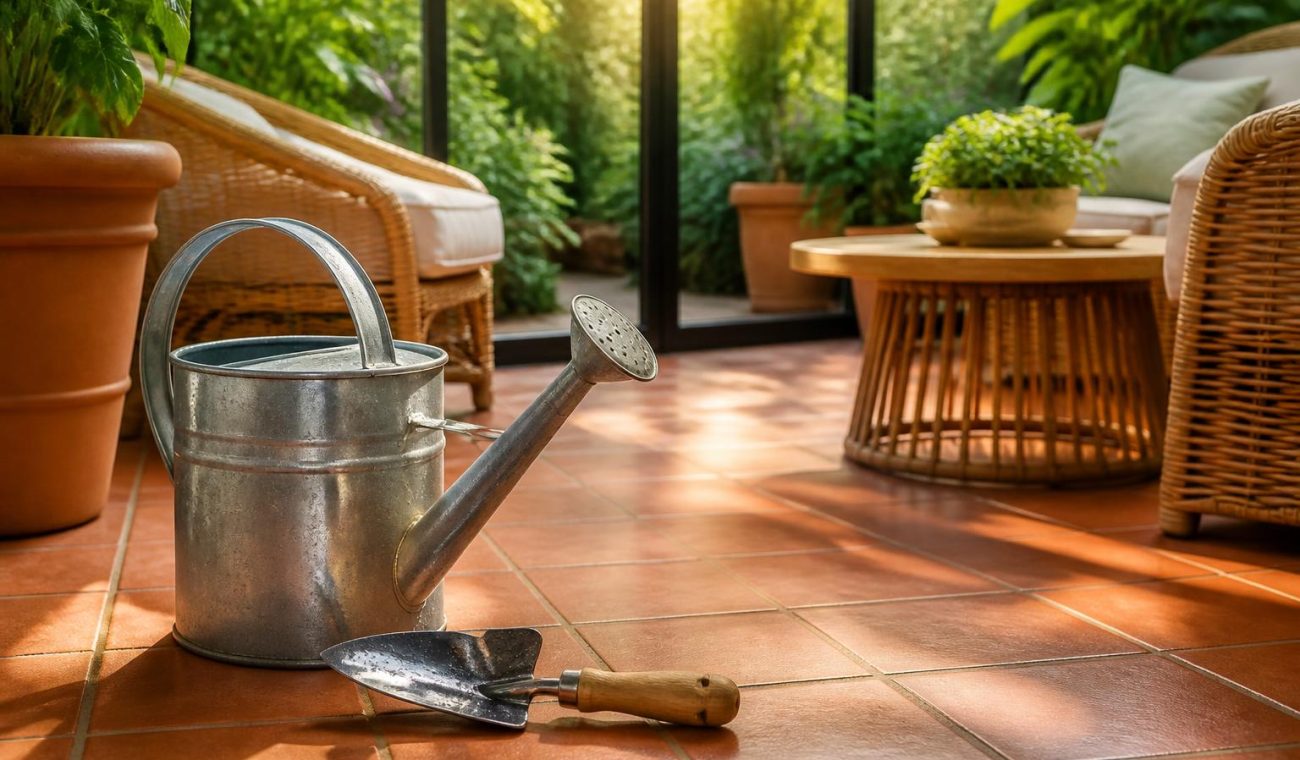
A well-planned space begins with flow, not just sightlines. Start by mapping how you move between interior rooms and the garden, then align seating, shade, and access points to reduce foot traffic wear on hardscape and soil. Thoughtful planning lowers maintenance and creates inviting transitions that feel natural rather than forced. For a tech-forward start, consider surveying your area with a mapping mindset; lidar technology can help visualize sun paths, drainage, and scale, guiding durable, long-term decisions in home improvement projects.
When you frame your garden as an extension of living space, you set expectations for how decor and greenery interact throughout the year. Choose durable materials for paths and borders that tolerate seasonal changes, then select furniture that moves easily between indoors and outdoors. Emphasize neutral tones with seasonal pops of color from plants, so your interior decor remains cohesive while the landscape evolves with gardening rhythms and weather patterns.
2. Soil Health as a Foundation
Healthy soil is the quiet engine behind vibrant plants and a resilient landscape. Begin with a soil test to determine pH, nutrient levels, and texture, and then tailor amendments to your climate. Layer compost, mulch, and cover crops to build structure, moisture retention, and microbial life, all while reducing irrigation demands. A robust soil base supports long-term home improvement goals by minimizing turf wear and easing future landscape renovations.
As you implement improvements, document what works and what doesn’t. Track plant performance, irrigation timing, and seasonal color shifts to refine your gardening plan over time. This iterative approach aligns with interior optimization: as you learn more about the garden’s needs, you can adjust decor accents, container plantings, and microclimates to sustain visual harmony year after year.
3. Water-Wise Landscaping for Every Season
Efficient irrigation starts with zoning and smart delivery. Group plants by water needs, install drip lines or soaker hoses beneath mulch, and connect sensors to alert you when moisture dips below thresholds. A properly designed system reduces waste and supports thriving plant communities, from natives that tolerate drought to lush perennials that anchor the spring garden. Water-wise landscaping also protects indoor spaces by limiting runoff and erosion adjacent to foundations.
Consider consolidating irrigation controls near your outdoor living spaces to simplify maintenance, especially during peak gardening months. Pair this with rain collection strategies to reuse gray water where allowed, reinforcing a frugal, sustainable approach to home improvement. The combined effect is a garden that remains vibrant with less raw water usage, supporting both decor schemes and practical comfort in all seasons.
4. Perimeter Features That Elevate Curb Appeal
Perimeter design defines the first impression of your outdoor space and frames interior views. Use textured borders, shrub rows, and low fencing to create a sense of enclosure without shutting out light. Incorporate evergreen structure for resilience and seasonal container plantings to refresh color without heavy rework. Thoughtful edging also reduces grass maintenance, freeing time for interior projects that improve decor consistency and overall ambiance.
Special attention to gate design, path materials, and lighting creates a cohesive narrative from entry to living areas. Choose materials that resist weathering, and install lighting that softly highlights features after dusk, improving safety and extending usable time for outdoor lounging. A harmonious perimeter supports home improvement goals by making the garden feel like a curated extension of your interior space.
5. Vertical Gardens and Microclimates
Vertical gardening expands planting options in small plots and integrates greenery into interior sightlines. Use trellises, wall-mounted planters, and living walls to cultivate herbs, greens, and flowering vines without sacrificing floor space. Microclimate considerations—shade, wind, and sun exposure—guide plant selection so you achieve reliable growth while preserving comfortable interior conditions. Climbing greens can filter light and add texture to indoor interiors as they spill over balcony edges or window boxes.
Incorporating vertical elements also supports decor ambitions by creating sculptural green accents that complement furniture and textiles. Pair greenery with natural materials like timber and stone to reinforce a calm, cohesive vibe between inside and out. When managed thoughtfully, vertical gardens become dynamic backdrops for interior photography, entertaining, or quiet evenings by the window—bridging gardening with interior sensibilities.
6. Seasonal Color and Year-Round Interest
Plan a rotation of color that aligns with interior decor cycles. Choose a core palette of evergreen structure paired with seasonally flowering shrubs and annuals that can be swapped in as tastes or rooms update. This approach keeps the landscape feeling intentional rather than chaotic, making it easier to maintain as home improvement efforts evolve. Color harmony across rooms and garden beds reinforces a sense of unity throughout the home.
Invest in container plantings that can move with you between spaces, seasons, or vacation periods. Using a consistent pot style and color helps maintain a unified look while letting plant choices shift to reflect the season. The result is a flexible, resilient garden that remains attractive without demanding constant, disruptive changes to decor or interior layouts.
7. Maintenance Mindset: Simplicity That Lasts
Adopt a maintenance plan that prioritizes simple routines with meaningful impact. Schedule pruning, weeding, and mulching to reduce labor while safeguarding plant health and soil structure. A predictable rhythm supports interior life by minimizing garden surprises and freeing weekends for family time or interior projects. Keep a small toolkit handy and label seasonal tasks so you consistently protect both exterior spaces and interior comfort.
Documenting progress through notes and photos helps you see trends and prepare for upgrades. When a bed shows drought stress or a plant outgrows its space, you can plan a targeted makeover rather than large, disruptive changes. A steady, thoughtful approach to maintenance anchors your home improvement journey with reliable results in both garden and interior environments.