7 User-Focused Upgrades for Your Laser Engraver Fume Extractor
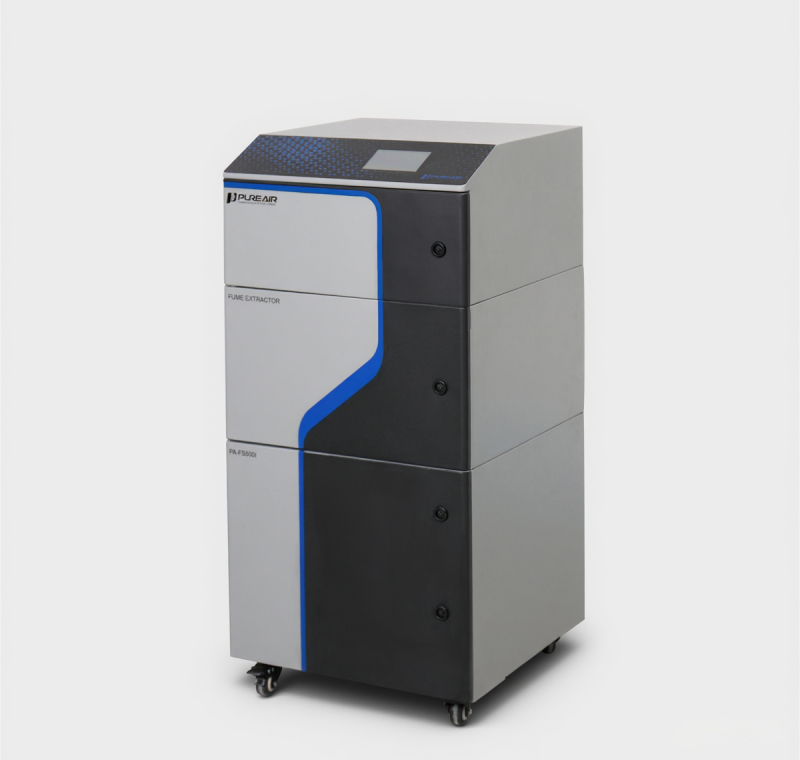
Introduction — Scenario, Data, Question
Have you ever finished a delicate engraving and then stood back coughing at the smell? Many small shops face the same dilemma: clear cuts, but cloudy air. In the middle sentence here I must say — laser engraver fume extractor is often the first line of defense in these situations, yet operators still report lingering odors and visible smoke (this is common in mixed-material shops). Studies and field reports suggest that particulate levels and VOC presence can spike during long runs, affecting both product quality and worker comfort. So what can we realistically change in a busy shop today to cut exposures and keep productivity high?
I write this as someone who has been inside dozen small fabrication studios. I care about practical fixes. I also know the pain of buying a unit that looks good on spec sheet but fails in daily use. Here I will walk through real user issues, explain why many fixes do not meet needs, and point to better choices. Let us move now to examine where common solutions break down — and why you feel frustrated sometimes. — funny how that works, right?
Part 2 — Hidden Pain Points and Flaws in Traditional Solutions
First, if you are shopping for a focused solution, consider the laser engraver air purifier early in your shortlist. Many sellers promote capture hoods or basic fans, but they do not explain filter media or system balance. In plain terms: a fan that moves air without proper filtration just spreads the problem. I have tested units that advertise high airflow but fail to trap VOCs or fine particulates (PM2.5). Look, it’s simpler than you think — you need matched components: capture point, ducting, correct filter stack (HEPA filter + activated carbon), and consistent airflow rate. If any one part is weak, the whole system suffers.
What often goes wrong?
Let me be candid. Shops buy a cheap fume hood. The unit has poor sealing and low static pressure. So smoke escapes. Or they get a so-called “all-in-one” purifier that uses only a pre-filter and an odor pad — that will not remove ultrafine particulates. Another hidden pain: maintenance. Filters clog, flow drops, but users keep running jobs because downtime costs money. This causes higher concentrations and worse odor. I’ve seen service intervals stretched too long — and then everyone notices. We need to think about filter life, accessible filter trays, and sensor feedback. Also consider noise: a quiet unit is used more reliably. — and yes, I mean really.
Part 3 — New Technology Principles and Practical Next Steps
Looking forward, the best solutions combine engineered capture with smart sensing. Modern designs use staged filtration: a pre-filter for dust, HEPA for particulates, and activated carbon or catalytic media for VOCs. Some systems add airflow sensors and variable-speed blowers to maintain a steady capture velocity at the nozzle or fume hood. When I evaluate a device now, I watch for features like sealed filter housings, measurable CADR (clean air delivery rate), and real-time PM2.5 readouts. The laser engraver air purifier models that stand out do not rely on marketing claims — they show test numbers and sensible maintenance plans.
What’s Next for my shop?
I recommend three clear metrics when choosing a system: CADR relative to workspace volume, filter configuration (HEPA + activated carbon), and accessible maintenance (filter change time and cost). Also check for blower control and noise level — if it screams, people will turn it off. In practice, plan for periodic checks and a small maintenance budget. If you combine capture hood design with a properly sized purifier, you will reduce PM2.5 and VOC peaks and make your workspace safer and more pleasant. I feel confident saying this because I have walked through setups with technicians and rebalanced systems for better results — the difference is visible, and measurable.
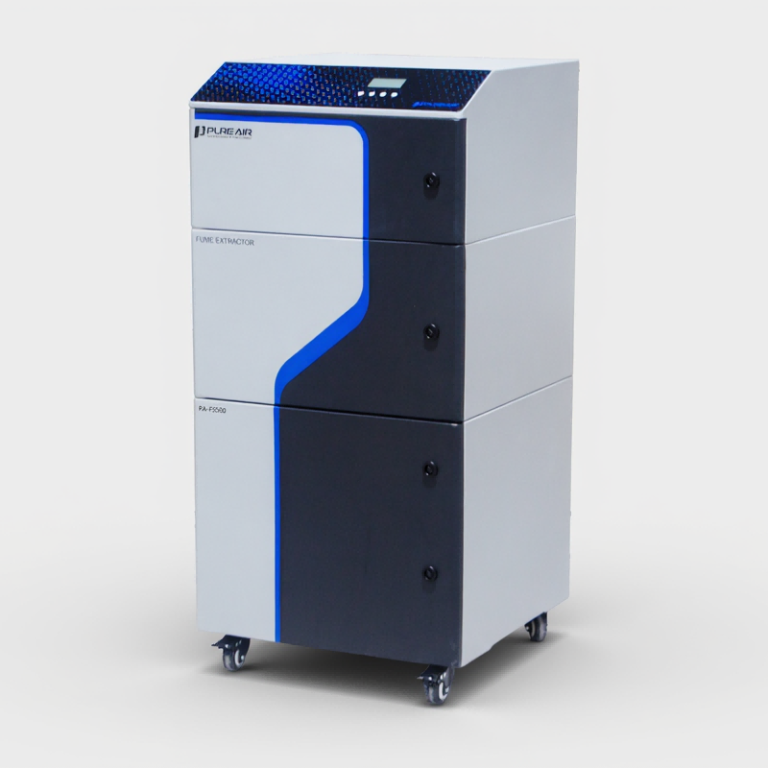 To close: evaluate units by those three metrics, prioritize safe capture and easy maintenance, and prefer systems that provide clear test data. If you want a reliable point of contact and tested models, consider learning more about PURE-AIR — they publish real specs and practical guidance. PURE-AIR