Smart Outdoor and Indoor Habitat: Practical Tips for Home Improvement, Gardening, and Decor
Practical guidance to elevate home spaces through thoughtful gardening, interior touches, and durable outdoor projects that blend form with function.

Seasoned Planning for Every Space
Good home improvement starts with a clear plan that aligns your garden and interior goals. Begin by mapping sun exposure, soil health, and rainfall patterns for the outdoor areas, then translate those findings into a cohesive decor theme that flows from entryway to patio. A practical approach means prioritizing features you use regularly—paths, seating, and a water feature—while keeping maintenance manageable. For gardeners, this means choosing plants tolerant of local conditions and designing beds that seasonally shine. battery chainsaw helps you safely shape wood borders or raised beds without heavy tools, enabling precise edges that elevate the overall design.
Incorporating this planning into daily routines supports ongoing home improvement. Create a simple schedule for lawn care, pruning, and mulching, then pair each task with interior updates like fresh paint tones or new textiles that reflect the outdoor palette. When you treat interior spaces as extensions of the garden, you cultivate a unified feel that makes decor choices more intuitive and cohesive. A thoughtful plan also reduces impulse purchases, saving time and money over the long term.
Soil, Water, and Microclimates
Soil health is the foundation of thriving gardens and vibrant landscapes. Start with a soil test to determine pH, drainage, and nutrient levels, then amend with compost or organic matter to improve texture and microbial life. Apply mulch to conserve moisture and suppress weeds, which supports a resilient growing environment. Understanding microclimates in your yard helps you place sun-loving plants in bright spots and shade-tolerant varieties where they will flourish without daily intervention.
Water management is equally important for interior comfort and exterior vitality. Install a rain barrel or drip irrigation system to reduce waste while keeping containers hydrated during heat waves. In indoor spaces, consider humidity control and air exchange to maintain a healthy home environment. Thoughtful watering habits feed both your garden’s vitality and your home’s energy efficiency, reinforcing sustainable home improvement practices across the property.
Containers, Beds, and Raised Features
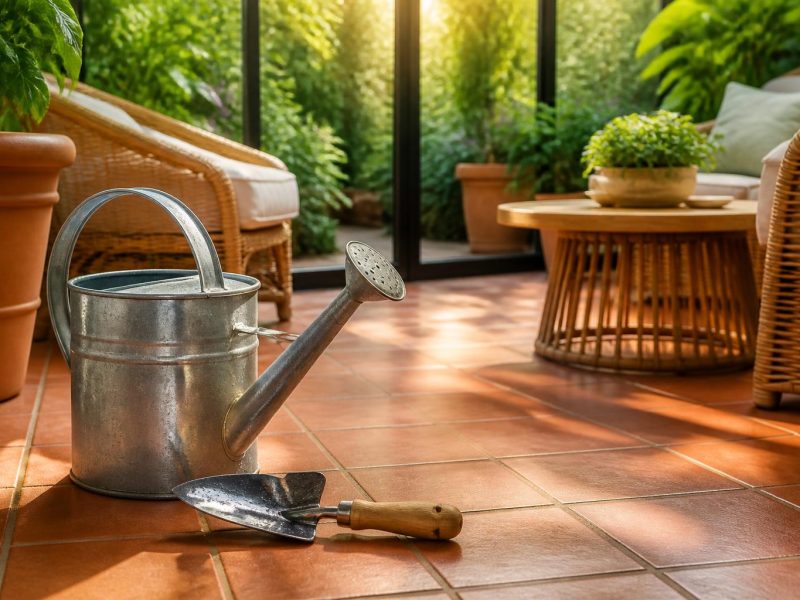
Containers offer flexibility for gardeners who want seasonally changing color and texture without committing to permanent beds. Choose a mix of ceramic, galvanized metal, and dark resin planters to add depth and layering at entryways, balconies, and patios. Mixing plant types—ornamental grasses with flowering perennials—creates movement and a dynamic seasonal display that complements interior decor through color echoes and form repetition.
Raised beds simplify planting and maintenance while improving soil structure and drainage. Build or buy modular frames that fit available spaces, from sunny corners to shaded nooks. Fill with a high-quality blend of compost, topsoil, and drainage material to ensure roots stay healthy. The tactile contrast of wood, metal, and stone in this area also lends a rustic-chic vibe that resonates with both exterior and interior design schemes.
Lighting, Ambience, and Safe Pathways
Outdoor lighting extends usability after dark and highlights architectural features of your home. Layer light with warm-toned LEDs along paths, steps, and focal points like water features or specimen trees. Inside, mirror that warmth with ambient lamps, warm-toned bulbs, and dimmable fixtures to create a cohesive mood that ties interior rooms to the garden view. Thoughtful lighting enhances safety and encourages longer enjoyment of outdoor spaces throughout seasons.
Pathways and surfaces should prioritize both aesthetics and safety. Choose durable pavers or stamped concrete with non-slip textures for wet weather, then ensure grasses and plants do not encroach on walkways. This balance supports easy maintenance and reduces tripping hazards, contributing to a calm, inviting home environment that blends interior comfort with exterior charm in terms of decor and practical use.
Compost, Mulch, and Seasonal Care
Composting transforms kitchen scraps into valuable soil amendments that feed plants and reduce waste. Start with a simple bin or tumbler in a discreet corner, turning contents regularly to speed decomposition. Layer greens, browns, and a little moisture to keep the pile active, then use finished compost to enrich flower beds, vegetable plots, and container soil. Regular churnings ensure ongoing nutrient supply that strengthens both garden health and your maintenance routines.
Seasonal care cycles help maintain momentum across indoor and outdoor spaces. Schedule pruning, fertilizing, and mulch replenishment in alignment with local climate cues, so your plants emerge strong after winter and thrive through summer. The routine sync between interior organization and garden upkeep supports a robust home improvement ethic, turning gardening tasks into satisfying, repeatable rituals that reinforce decor harmony.
Interior-Garden Extensions and Green Decor
Interior spaces can echo your garden through living walls, terrariums, and strategically placed greenery. Use trailing plants in stairwell foyers and tabletop arrangements that change with the seasons to bring life indoors. Choose plant varieties with similar care needs to simplify maintenance, and pair organic textures like wicker, stone, and linen with plant silhouettes to build a cohesive decor narrative that flows between rooms.
Furniture choices that bridge inside and outside improve usability and style. Opt for weather-resistant seating in patios and porches that mirrors indoor comfort with plush cushions and textiles. A small outdoor dining area or reading nook can become a daily retreat, reinforcing a home improvement mindset that prioritizes functional beauty and sustainable use of space across both interior and exterior environments.
Harvest, Reuse, and Long-Term Sustainability
Harvesting herbs and vegetables not only yields fresh flavors but also creates opportunities to reuse kitchen scraps for compost or mulch, closing the loop between cooking and gardening. Plan succession planting to extend harvest windows, then rotate crops to maintain soil vitality and reduce pest pressure. Sharing excess produce with neighbors can strengthen community ties while giving meaning to your ongoing home improvement efforts.
Finally, document progress with simple journals or photos, capturing plant performance, seasonal color changes, and interior decor updates that echo the garden. Regular reviews help you adjust plans, celebrate successes, and stay motivated. By prioritizing sustainability—through rainwater harvesting, composting, and energy-conscious choices—you create a resilient home that feels intentional and lived-in, from interior touches to outdoor living.