Creating a Calm, Functional Outdoor Space: Practical Home Garden Improvements
A practical guide to turning your outdoor area into a personal sanctuary with smart home improvements, thoughtful interior-adjacent design, and thriving planting ideas.
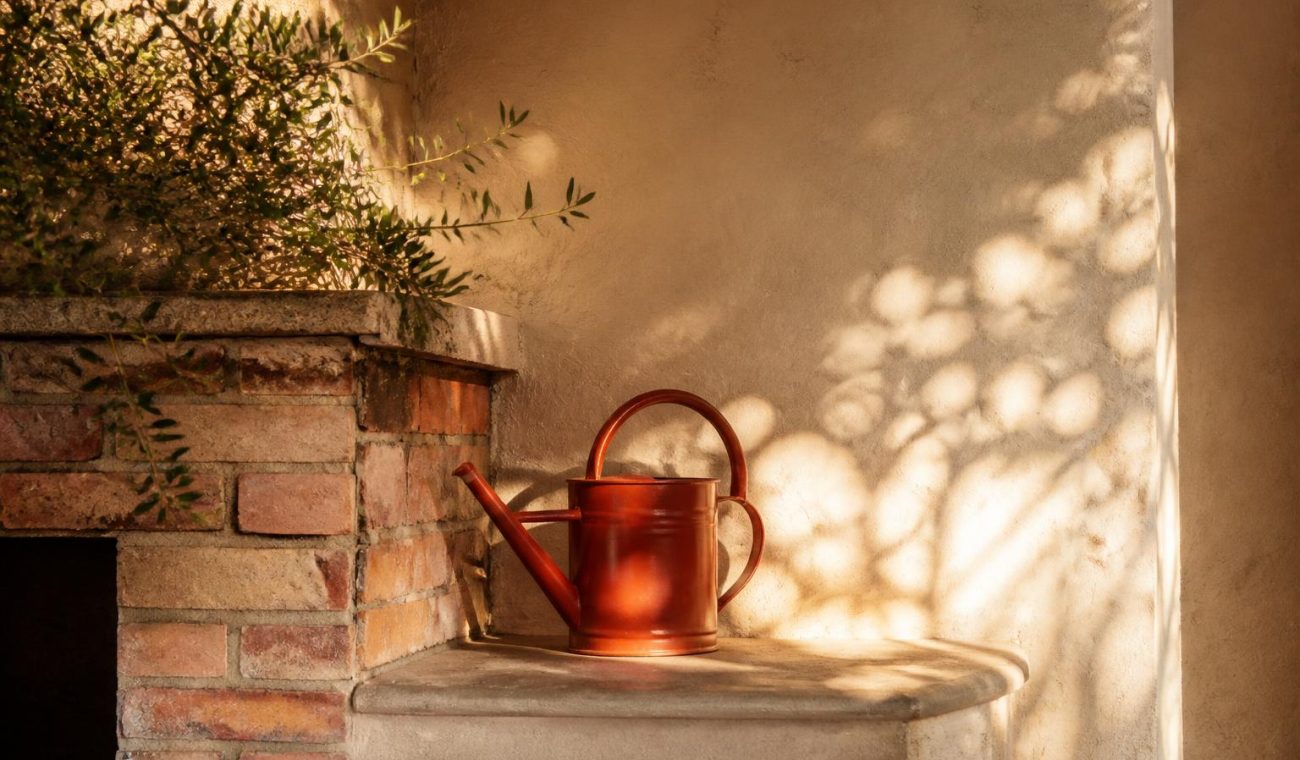
Thoughtful Planning and Setting Realistic Goals
Designing a cohesive outdoor space begins with deliberate planning, aligning your needs with available space and budget. Consider how you use your yard for entertaining, relaxation, or simple gardening tasks, then sketch zones for seating, dining, and plant growth. Start by mapping sun exposure, wind patterns, and drainage to avoid later frustrations, and choose durable materials that weather well with minimal maintenance. Buy Pond Plants Online helps establish a lively focal point that integrates herbaceous borders with water features, setting a natural mood for your home improvement journey. For a deeper look, see Buy Pond Plants Online.
Next, set practical goals that connect interior comfort to exterior charm, ensuring a seamless flow between rooms and the garden. Prioritize low-maintenance plants and modular furniture that can adapt to seasonal needs, while leaving space for occasional upgrades as trends and family needs shift. A clear plan reduces decision fatigue and creates a coherent, inviting landscape that supports daily life and special gatherings alike.
Choosing Hardscaping That Supports Everyday Use
Hardscaping forms the backbone of outdoor functionality, supporting traffic patterns, seating areas, and weather resilience. Select paving that offers slip resistance, easy cleaning, and visual warmth, such as textured concrete or natural stone. Incorporate edging to define borders and reduce turf wear, then install a durable deck or patio surface that accommodates a grill, a dining set, and a cozy corner for reading or conversation.
To balance durability with beauty, mix materials and textures, pairing timber with stone or gravel for contrast and interest. Integrate subtle lighting to extend usability after dusk without overpowering the space, and ensure drainage is well-planned to prevent puddling after rain. Thoughtful hardscaping not only enhances decor but also boosts daily convenience and safety for family life.
Planting for Seasonal Interest and Easy Maintenance
Plant selection should reflect climate, soil, and water availability while offering year-round texture and color. Choose a mix of evergreen structure, deciduous seasonal accents, and underplanting to create depth and interest. Group plants with similar sun and moisture needs to simplify maintenance, and consider container gardening for flexible placement and easy pruning or replacement as your garden evolves.
Emphasize resilience with drought-tolerant perennials and native species that attract beneficial wildlife, balancing form and function in equal measure. Mulch to conserve moisture and suppress weeds, then schedule light pruning and deadheading to promote healthy growth. A well-planned palette supports a thriving garden that remains manageable for busy homeowners and curious beginners alike.
Incorporating Water Features and Microclimates
Water elements can dramatically alter ambiance, providing calming sounds and a reflective surface that amplifies light and color. A small pond or stream creates a microclimate that supports moisture-loving plants while offering a habitat for beneficial insects. Position the feature where it reflects morning or evening sun for best lighting, and ensure safety with shallow edges and clear access paths.
Balance water with shaded seating and windbreaks to extend use through variable weather, and choose plants that thrive in damp conditions along the water’s edge. Consider a simple filtration system and regular maintenance tasks to keep water clear and healthy for aquatic life. A well-integrated water feature elevates decor and fosters a calmer, more inviting outdoor space.
Lighting, Accessories, and the Comfort of Interior-Exterior Flow
Outdoor lighting should be layered for safety, ambiance, and drama, combining task lighting for paths, ambient lighting for seating, and feature lighting to highlight plants or water. Use warm color temperatures to mimic interior living spaces and create an inviting atmosphere after dark. Choose weatherproof fixtures and smart controls to adjust brightness from inside, tying interior comfort to exterior enjoyment.
Accessories such as cushions, planters, and screens can soften hard edges while reinforcing your decor scheme across both zones. Opt for durable fabrics and fade-resistant finishes, and rotate accents seasonally to keep the space fresh without a full overhaul. A cohesive lighting and accessory strategy reinforces the home improvement narrative from indoors to out, enhancing daily living and entertaining alike.
Maintenance Routines that Protect Your Investment
Establish a simple seasonal checklist to keep plants healthy and structures safe, noting prune times, fertilizer schedules, and irrigation needs. Regular inspection of fences, sheds, and hardscapes helps prevent costly deterioration and keeps the garden looking polished. A little consistent effort yields a dramatic return in curb appeal and long-term satisfaction with your outdoor space.
Develop a habit of quick daily checks—tidying fallen leaves, wiping down outdoor furniture, and watering plantings as needed—then schedule longer maintenance blocks for seasonal tasks. Document changes in a garden journal or photo log to observe progress, refine choices, and celebrate milestones. A steady routine removes mystery and ensures your home improvement project remains a joy rather than a burden.
Budgeting and Sourcing to Maximize Value
Effective budgeting starts with a prioritized list of must-haves, distinguishing between essential upgrades and desirable extras. Compare materials, shop for sales, and consider multi-use items that perform several roles, such as planters that double as seating or storage solutions integrated into fences. A practical budget keeps your project within reach while still achieving meaningful improvements to home and garden.
Source locally when possible to reduce transport costs and support regional nurseries or retailers, and choose plants suited to your microclimate to minimize water and care needs. Plan for future upgrades by selecting modular furniture and adaptable layouts that can evolve with your family’s tastes or acreage. A thoughtful approach to sourcing adds value and reduces regret as seasons change.
Conclusion: A Garden That Feels Like Part of Home
When interior and exterior spaces are designed as a single environment, daily living becomes more fluid and enjoyable. A garden that balances decor, practicality, and planting creates a sanctuary for rest, play, and socializing, while still supporting home improvement goals. This integrated approach helps you extend your living area outdoors, mirroring the comfort and style you cultivate inside the house.
With careful planning, resilient materials, and a focus on low-maintenance beauty, your outdoor space grows into a place of renewal and inspiration. The right combination of planting, lighting, and seating makes every corner purposeful, turning routine chores into moments of calm and connection. Embrace the process, and your garden will reward you with enduring charm and practical value.
Keep reading
 Home
Home
Smart Outdoor and Indoor Habitat: Practical Tips for Home Improvement, Gardening, and Decor
 Home
Home
Smart Gardening and Home Improvement: Practical Steps to Elevate Interior and Exterior Spaces
 Home
Home