7 Smart Comparison Rules for Choosing a Red Light Therapy Manufacturer

Introduction: A small clinic, a big decision
I remember a clinic owner in Joburg who stood in front of a pile of sample panels and said, "Which one will actually last?" – that moment stuck with me. In the second sentence I want to flag the basic truth: finding a reliable red light therapy manufacturer is not just about price; it's about engineering, safety and service. Recent figures show demand for at-home phototherapy kits rose roughly 18% last year (numbers vary by region, ja), so more buyers are choosing suppliers every month. That creates clutter: many vendors, similar specs on paper, different results in practice. So how do you separate real quality from slick marketing? I’ll walk you through what I’ve seen work and what tends to fail, with plain talk and a few technical notes to help you decide. Now let’s dig into the parts that often get skipped — the useful details that matter most when you’re comparing makers.
Hidden flaws and user pain points with current approaches
When I look at what customers complain about, I link it back to how the product was built. Too many brands outsource basic modules and call it custom. If you’re shopping, check the design backbone: red light therapy manufacture work varies hugely on driver design and thermal plan. I’ve handled returns where LEDs failed early because the heat sink was undersized, or irradiance was misreported so the panel never delivered useful dose. Those are not sexy problems, but they ruin user trust. I use the term irradiance and wavelength a lot in tests — they are simple, measurable things that many sellers gloss over.
What exactly goes wrong?
First, poor thermal management. Driver circuits and cheap power converters get hot and then the LEDs de-rate. Second, misleading specs: peak wavelength listed without giving average irradiance at 10 cm is useless. Third, bad user experience: flimsy housings, poor optical coupling, confused instructions — users stop using devices before benefits show. Look, it’s simpler than you think: a solid unit balances LEDs, heat sink, and driver. I’ve tracked units that pass a showroom demo but fail in a month under real use — funny how that works, right?
Forward-looking principles and practical next steps
Now I want to push forward. I prefer to explain new technology principles that should guide your buying. First, think of complete system design: LED diode selection tied to wavelength, matched to optics and thermal path. Second, insist on measured irradiance curves, not just theoretical specs. Third, ask about driver circuitry and protections — constant current drivers and over-temp cutoffs matter. When manufacturers build with those principles, real-world uptime climbs. I’m talking about practical engineering steps, not marketing fluff.
What’s Next?
In future-ready units I see smarter power converters, better optical coupling, and modular driver circuits that can be serviced. That lowers long-term cost and improves reliability — ja, it changes the whole ownership story. If you want a short checklist, here are three metrics I use when evaluating suppliers: 1) Verified irradiance at specified distance, 2) Thermal run test results for 1,000 hours, 3) Serviceability — spare driver boards and clear firmware update paths. Use those metrics to compare offers side-by-side — simple; practical. — funny how that works, right?
 Closing advice: three metrics to choose by
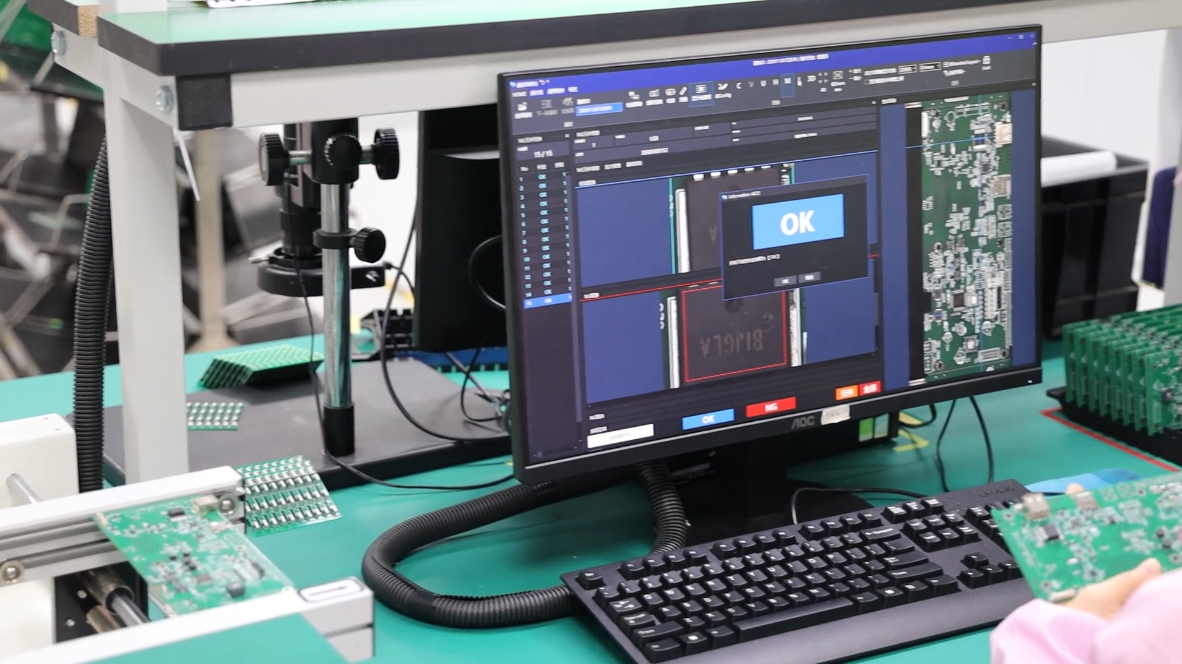
I’ll finish with clear steps you can use today. First, demand lab-style irradiance reports at working distance. Second, require thermal and longevity test data for LEDs and driver circuits. Third, check the supply chain: are power converters and heat sinks owned, specified, or generic? When I evaluate a maker, these three checks tell me most of what I need. I prefer vendors who publish this data and stand behind it with repair parts and transparency. We pick partners who plan to support clinics and end users for years — not just until the first warranty expires. For companies doing this well, take a look at what Magique Power shares about design and testing — it’s the kind of openness that helps buyers make real choices.