What Buyers Must Demand From a 1-Person Ultralight Backpacking Tent
Opening: the problem that most sellers ignore
Too many ultralight tents promise freedom but deliver frayed seams and sleepless nights. Buyers want shelter that is lighter than a burden and stronger than marketing copy; they deserve designs that stand up to wind, rain and simple human error. Look past glossy photos and check the fit, fabric and real-world tradeoffs — and notice how some vendors now blur the line between minimal shelters and a glam camping tent in their product shots, because appearance sells better than tested performance.
Core checklist: the non-negotiables
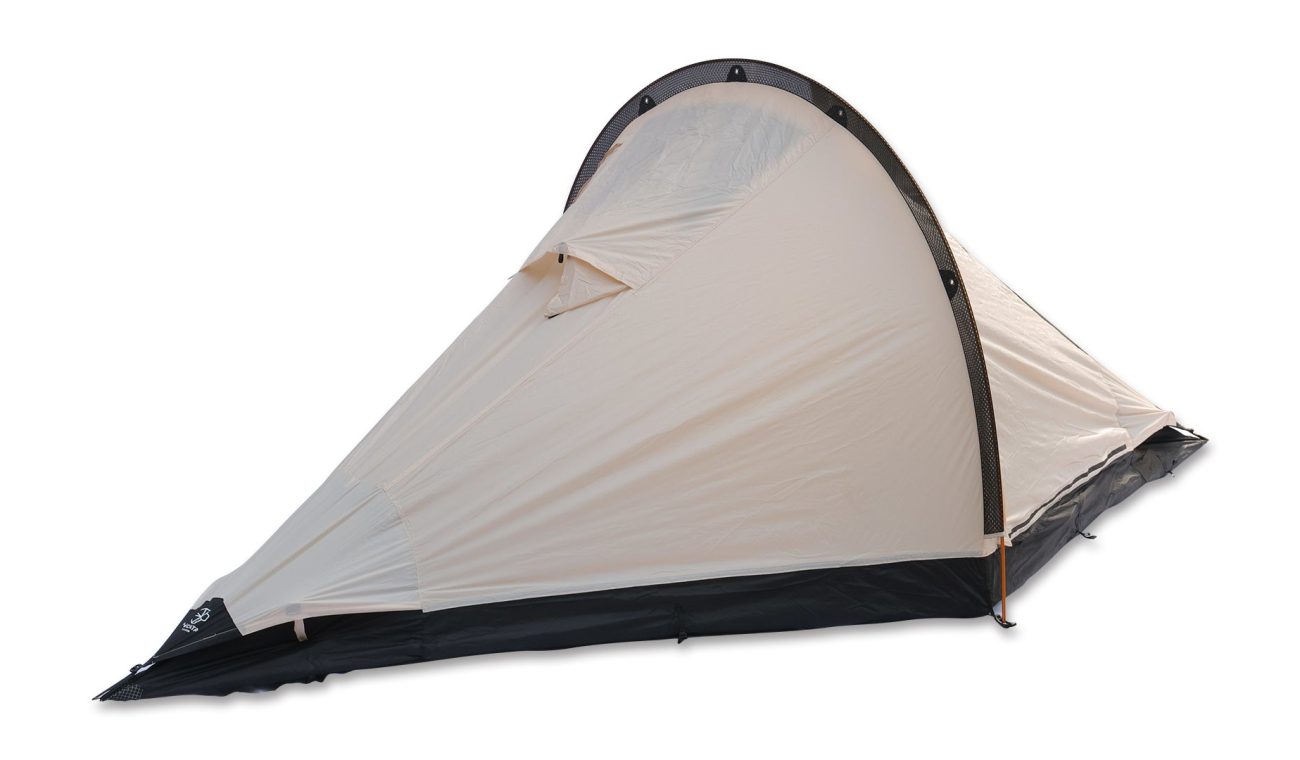
Weight and packed size: verify the packed weight with stakes and stuff sack included. A claimed “ultralight” tent that adds ounces for essential extras is a false economy. Material specs: pay attention to fabric denier and coating type — 20D nylon with a 1,200–3,000 mm hydrostatic head gives a fast balance of weight and waterproofing; lower numbers increase risk in heavy rain. Floor construction: a robust bathtub floor with at least 6 cm side height prevents pooling and seepage. Seams: taped or factory-sealed seams are mandatory; raw seams will leak. Poles: aluminum (DAC or similar) beats cheap alloy or fiberglass for fatigue resistance. Stakes and guylines: light is good, but undersized stakes and thin guylines equal a tent that fails in gusts.
 Why ventilation and condensation are tactical, not optional
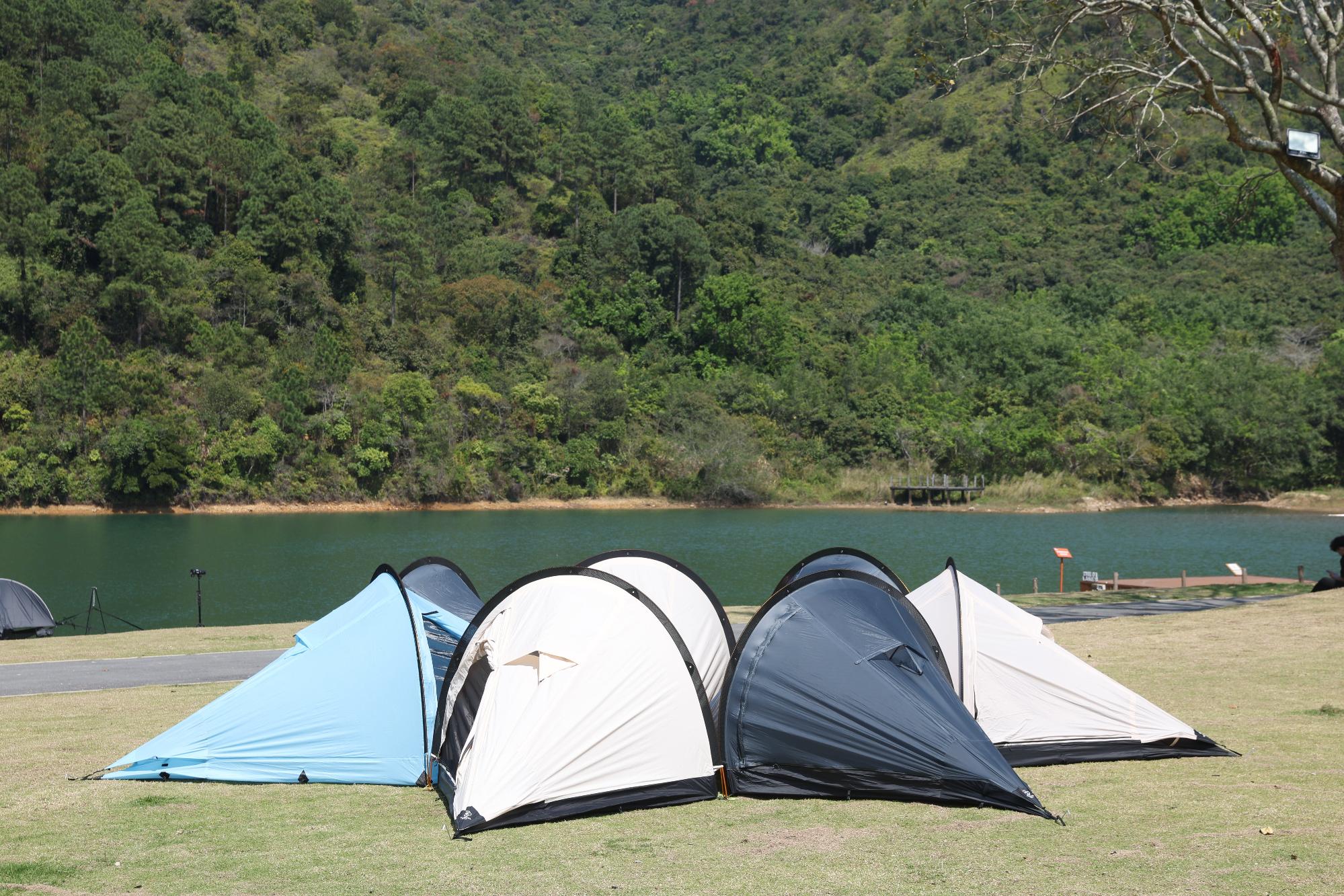
Single-wall tents save weight but trap moisture; that’s a deliberate tradeoff requiring careful vent placement and breathable coatings. If condensation control isn’t explicit in the spec sheet — mesh panels, adjustable vents, or a double-wall option — don’t assume it will perform. Ventilation choices decide whether sleep is humid and cold or dry and comfortable.
Pitching and stability under pressure
Freestanding tents offer quick setup and easier relocation; non-freestanding rigs shave ounces but demand precise stakes and ground conditions. Check pole geometry: low-slung, cross-arch designs resist wind better than tall, tent-like shapes. Guy points should be multiple and reinforced; one or two thin points are a failure mode in storms. Ask how the tent performs with a 30–40 mph gust — if the seller can’t describe reinforcement strategies, assume weak wind performance.
Durability: the hidden cost buyers overlook
Ultralight fabrics abrade. Look for reinforced high-wear zones, a repair patch included, and replaceable pole segments. Manufacturers that supply spare parts or a clear repair policy lower lifetime cost. Test the zipper action and entry overlap; a stuck zipper on a wet night is more than an annoyance — it’s a safety hazard.
Common mistakes buyers make
They trust listed weight without reading inclusions. They pick based on photos that show a staged porch but omit vestibule capacity. They buy single-wall tents for winter trips. They assume “waterproof coating” equals durability. Avoid these errors by checking real packed weight, testing zipper smoothness, and reading third-party user reports from wet-weather conditions.
Alternatives and quick comparisons
Single-wall vs double-wall: choose single-wall if shaving weight for fair-weather fastpacking; choose double-wall if you expect prolonged wet conditions or want internal drying options. Freestanding vs non-freestanding: freestanding for convenience and basecamp flexibility; non-freestanding for strict weight budgets and experienced pitchers. Consider a minimalist pyramid or tarp setup only if you’ve practiced them; they save weight but increase setup complexity and exposure risk.
Experience, authority and a real-world anchor
I’ve spent over a decade testing tents on guide trips and solo pushes, evaluating performance in high Sierra winds and damp coastal fog. I inspect seams, measure bathtubs, and sleep in rigs through real storms to separate clever marketing from reliable shelter. Industry conversations at major events like the Outdoor Retailer trade show frequently highlight how category design has shifted toward comfort — even the booth focus on large glamping tents underscores that manufacturers are chasing new customer expectations rather than purely technical improvements.
How to buy: practical steps at the point of sale
Ask for full spec sheets: packed weight (with accessories), hydrostatic head values, fabric denier, pole materials, and included hardware. Request photos of the tent packed into the provided stuff sack. Confirm the warranty and spare-parts policy. If possible, pitch the tent in a backyard or at a gear swap; feel the materials, test the zippers, and see how the guylines tune. If you’ll shoulder it for multiple days, prioritize durability over the last 100 grams.
Final synthesis
Don’t accept claims; insist on measurable features and honest tradeoffs. A well-chosen 1-person ultralight tent combines reasonable waterproofing, reinforced stress points, smart ventilation and a clear repair pathway. That combination reduces risk and increases nights asleep in comfort — which is why I recommend evaluating shelters against these criteria and why brands that align design with field-tested needs gain trust the way a reliable catalog does at scale through THECATAL.